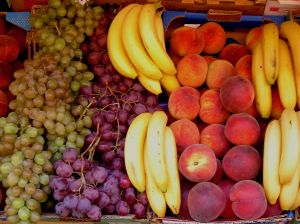
CONSTIPATION
Constipation
means that our intestines work too rarely or irregularly. It also
refers to hardening of feces, which is a typical problem in the
Western countries. Constipation and hemorrhoids are not found among
primitive people whose food is natural and includes more fiber. It is
common only in urban environments where people have turned to another
kind of nourishment. Furthermore, many other diseases that were not as
common before are a result of new dietary practices:
Doctor Denis
Burkitt, who was a missionary doctor in Africa, was a skilful
researcher. He did research on the undigested substance and fiber in
the diet. Burkitt observed that the natives of Africa in their tribal
environments did not actually suffer at all from stomach and intestine
problems. They very seldom had constipation, appendicitis, gallstones
and colonitis, cancer of the colon or other digestive and intestinal
disorders. Those who had moved to a town started to have these
diseases within 15–20 years.
Dr.
Burkitt observed that the turnaround time for food (the time from
eating to defecation) was notably longer for those who ate "cultural
food" than for those who lived on natural food. The time among the
natives was on an average 18–30 hours. For people living in towns, it
varied from two to seven days. The essential difference between these
two diets was the amount of fiber and undigested ingredients.
The diet
of the natives was very natural, fruit and vegetables were eaten
without processing and a lot of preparation. The tribe population got
plenty of undigested ingredients, fiber, and unrefined versatile
carbohydrates from their food. The diet of the town people was quite
the opposite. (31)
How
constipation and the hemorrhoids that are often associated with it can
be prevented or treated? Our food has of great importance in this. The
next factors have been found beneficial, for example:
The
significance of fiber
is great, both in the care of constipation and in preventing many
diseases. Intestinal disorders are usually caused by a small amount of
fiber and the wrong kind of food (plenty of sugar, white flour, and
foods containing animal fat, such as fatty sausages). These cause many
“elite” diseases.
If we do
not get enough fiber from our food (about 25 to 35 grams per day), it
always slows down the food turnaround time and enables many harmful
ingredients such as carcinogens (that cause cancer) and cholesterol to
be absorbed into the body because they have more time. Instead, food
containing fiber, both insoluble and soluble, has been found to
benefit the body and speed up the food's journey through it.
Useful
foods include dissoluble fiber from oats and barley, berries, fruit,
and vegetables, because they make defecation easier by making the
feces softer. All of these and also rye bread contain plenty of
insoluble fibers, which speed up the progress of food in our body and
increase the amount of feces. Both types of fiber are useful in the
treatment of constipation.
Drinking
enough water
is useful in preventing constipation, because lack of water can cause
constipation. If we do not get enough water the contents of our
intestines will dry up more and more. The contents become hard and
progress slows. If we get enough water – at least 1.5 to 2 liters per
day – we help the intestines do their job and prevent constipation.
Drinking enough water also helps prevent kidney stones.